
Unlocking the Power of Ambient Occlusion in 3D Rendering
META: Discover how to enhance your 3D renders with ambient occlusion using Lumion and SketchUp.
As a seasoned expert in 3D software and architectural visualization, I’ve had the pleasure of working with various rendering tools and techniques. One of the most effective ways to add depth and realism to your 3D renders is by utilizing ambient occlusion (AO). In this article, we’ll delve into the world of AO, exploring its applications, benefits, and how to achieve stunning results using popular software like Lumion and SketchUp.
Understanding Ambient Occlusion
Ambient occlusion is a rendering technique that simulates the way light interacts with objects in a scene, creating subtle shadows and shading that enhance the overall visual fidelity. By mimicking the way light behaves in the real world, AO helps to create a more immersive and engaging visual experience.
Applications in Architectural Visualization
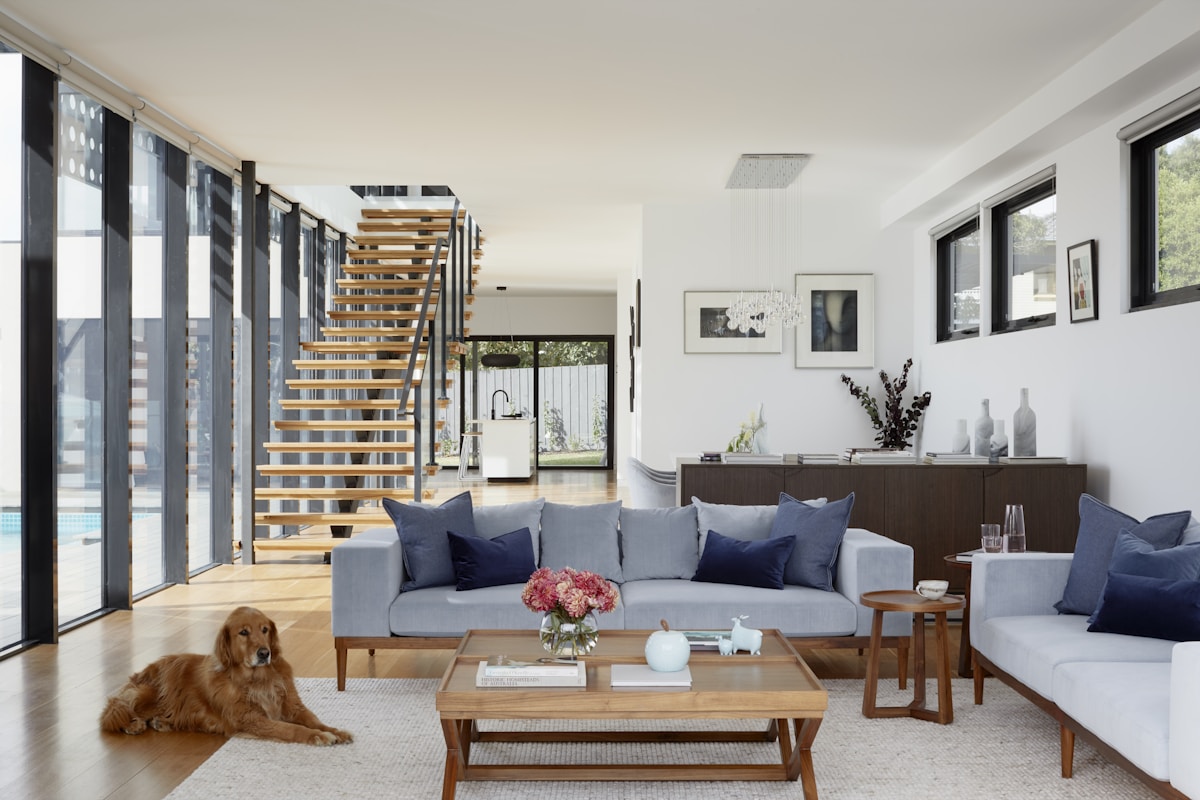
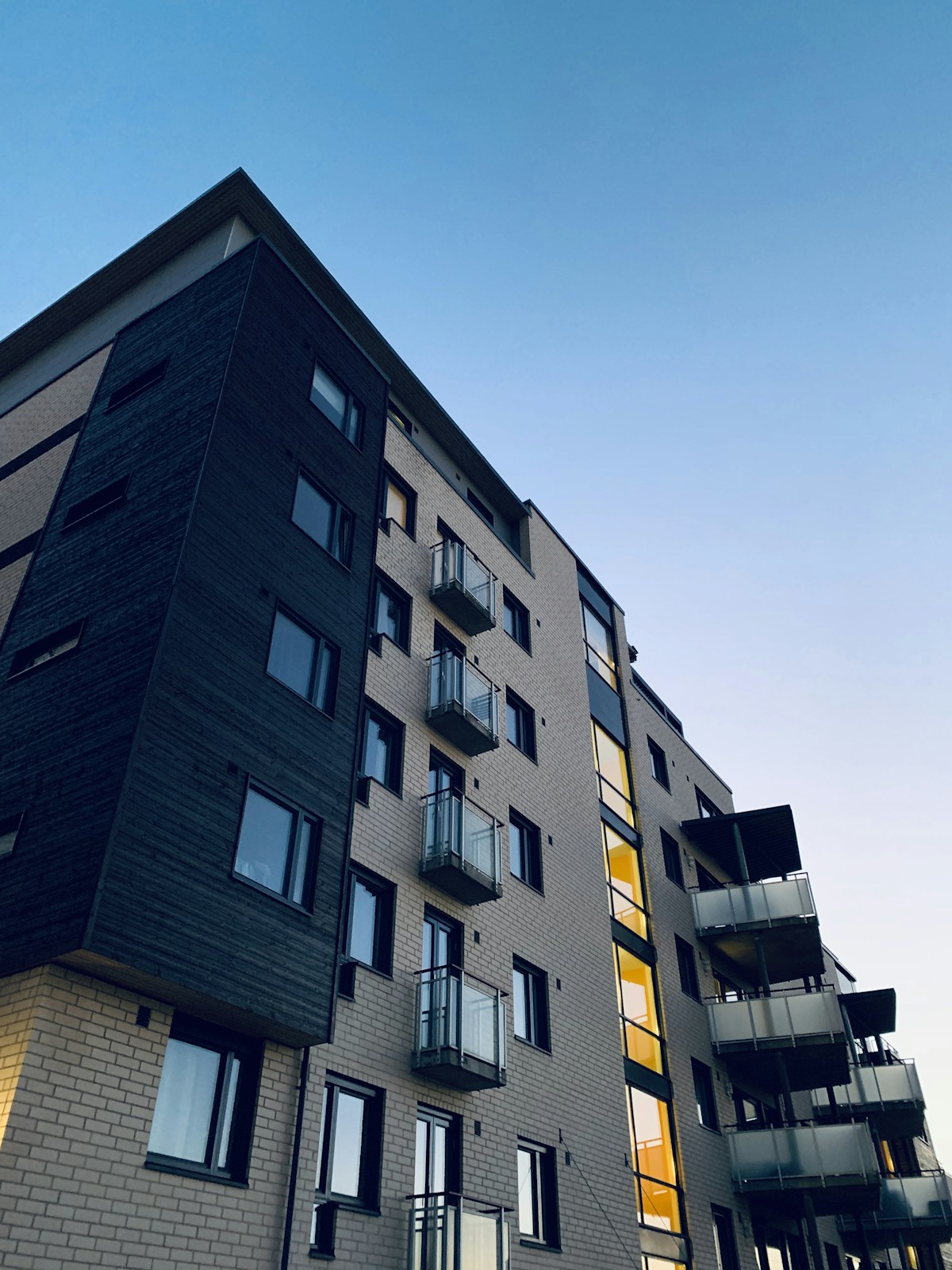
In architectural visualization, AO plays a crucial role in creating realistic and detailed renders. By incorporating AO into your workflow, you can add a new level of depth and dimensionality to your designs, making them more believable and engaging. Whether you’re working on a residential project or a commercial development, AO can help to elevate your visuals and communicate your design intent more effectively.
Leveraging Lumion for Ambient Occlusion
Lumion is a powerful rendering tool that offers a range of features and effects to enhance your 3D visuals. When it comes to ambient occlusion, Lumion provides a robust and intuitive solution that can be easily integrated into your workflow. By utilizing Lumion’s AO capabilities, you can create stunning renders with subtle shading and depth, adding a new level of realism to your designs.
Tips for Optimizing AO in Lumion
To get the most out of Lumion’s AO features, it’s essential to understand how to optimize your settings for the best results. Here are a few practical tips to keep in mind:
* Experiment with different AO intensity levels to find the perfect balance for your scene
* Adjust the AO radius to control the extent of the shading effect
* Use Lumion’s built-in presets to get started with common AO scenarios
Integrating SketchUp with Ambient Occlusion
SketchUp is a popular 3D modeling tool that’s widely used in the architecture and design community. While SketchUp doesn’t have native AO capabilities, you can still achieve stunning results by combining it with other rendering software like Lumion. By exporting your SketchUp models to Lumion, you can leverage the power of AO and create detailed, realistic renders that showcase your designs in the best possible light.
Streamlining Your Workflow
To streamline your workflow and make the most of AO in your 3D renders, it’s essential to establish a smooth pipeline between your modeling and rendering software. By using SketchUp and Lumion in tandem, you can create a seamless workflow that allows you to focus on the creative aspects of your project, rather than getting bogged down in technical details.
Conclusion and Next Steps
In conclusion, ambient occlusion is a powerful tool that can elevate your 3D renders and take your architectural visualization projects to the next level. By leveraging the capabilities of Lumion and SketchUp, you can create stunning, realistic visuals that showcase your designs in the best possible light. If you’re looking to unlock the full potential of AO in your workflow, I encourage you to explore the resources and tutorials available on our website, and start experimenting with these techniques in your own projects today.
With practice and patience, you’ll be creating breathtaking visuals that wow your clients and leave a lasting impression.
